
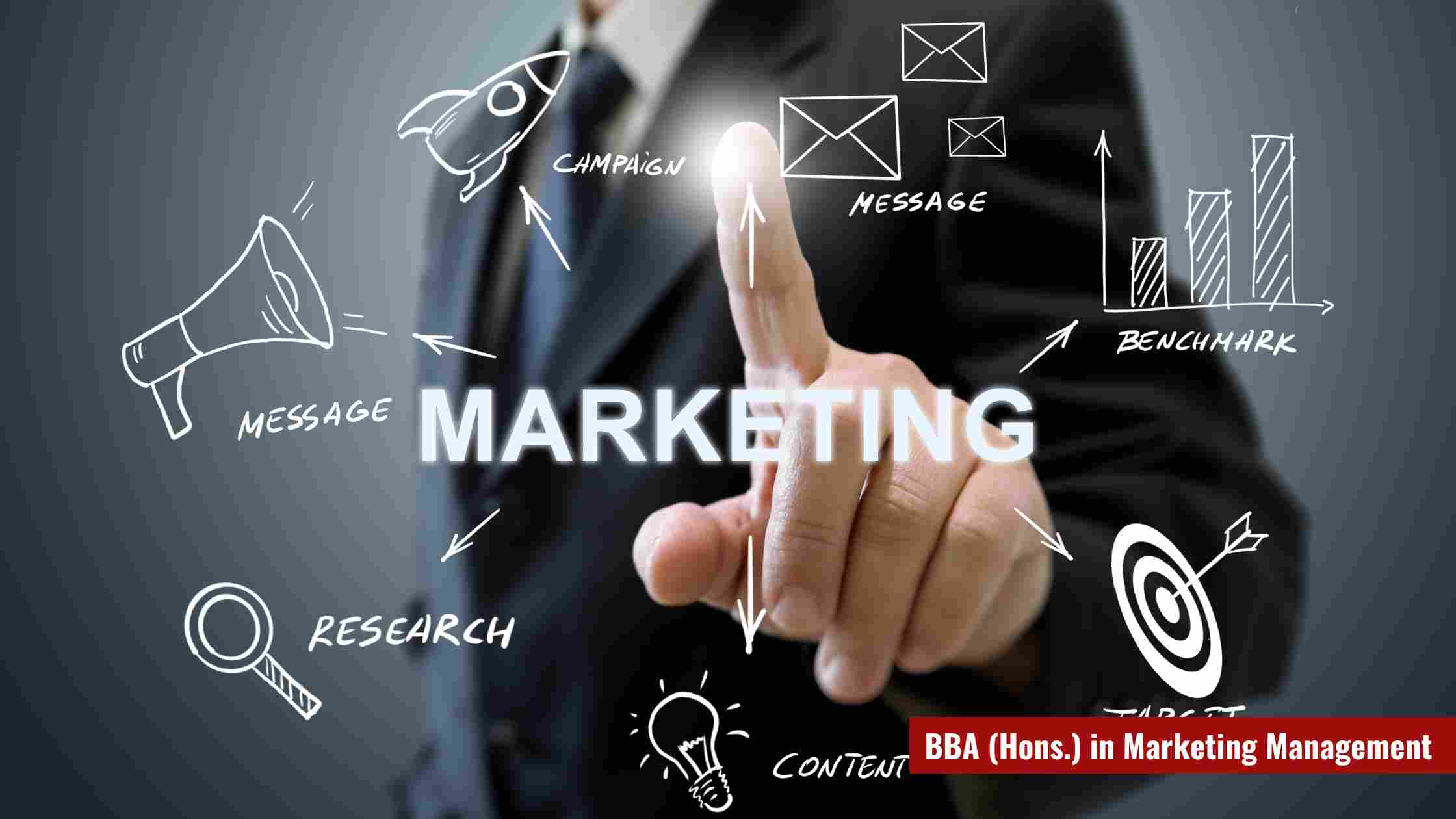
Marketing management is fundamentally opening an extremely dynamic area that is the basis of a successful organization. These three elements are in sync with an understanding of consumer behavior, strategic planning, and efficient communication within the role. Check out this blog to learn the way that marketing management deals with market research, as well as product development, branding, distribution, and distribution.
Learn about the importance that CRM-related tools play, ie, digital marketing strategies, as well as the importance that social media plays in the current marketing environment. Read on to find out how marketing management can creatively integrate the power of data to make better business decisions and branding recognition.
How Marketing Management Evolved
Traditional Tools and Techniques
The long and rich background of marketing management can be traced to the beginning of the 20th century, when companies used to focus on achieving success in marketing management. In the past, marketing managers would primarily utilize traditional methods and tools to promote an item or service. They used to use print ads as well as radio commercials, and mailing campaigns.
Attention. In the past, attention was among the most important elements of successful marketing management through the comprehension of the behavior of consumers by conducting market research. Businesses would make huge investments in focus groups, surveys, and studies on demographics to determine the best way to adapt their marketing plans. This was what laid the foundations for efficient marketing management, ensuring that the promotional efforts are pertinent and are geared towards the intended audience.
It was in the 20th century that the term ‘detailed approach to marketing management’ was coined to highlight a more systematic and strategic approach to the discipline. Marketing management became more formalized. Companies would draw up specific plans for reaching their intended audience and meet goals for their business. From this point onward, the trend towards an increasingly specialized and professionalized field of management in marketing began, accompanied by the development of marketing departments that were specialized.
Role of Technology in Modern Marketing
The development of digital technology in the latter part of the second decade of the 20th century changed the way marketing management used to be carried out. Companies began to integrate digital platforms and tools into their processes, altering the methods businesses use to communicate with their customers, and separating them from traditional methods towards digital marketing strategies.
The explosion of social media via Facebook, Instagram, and Twitter created a wonderful way to manage international marketing with the capability of contacting a global audience easily. Digital analytics tools provided instant data analysis for marketing managers, allowing them to evaluate campaigns and alter strategies as they go.
The digital age, in the present, is rapid. In the digital age, marketing processes are fluid and dynamic. This includes email marketing as well as search engine optimization, the use of content, as well as influencer partnerships – all focused on engaging customers through different points of contact. This has certainly shifted the role of a targeted marketing manager away from the simple task of marketing to managing customer relationships and the creation of brand identities, along with the added benefit of analysis of the data generated.
Core Technologies in Modern Marketing Management
AI and ML
Machine learning and artificial intelligence have transformed the way we think about modern marketing management. They have had a significant impact on predictive analytics, segmentation of customers, and personalizing marketing. The new technologies provide marketers with the ability to study massive amounts of data in he future, predicting trends by segmenting customers based on their behaviour, and providing targeted content.
| Aspect | Impact |
| Predictive analytics | The capability to study large quantities of data to forecast future trends |
| Customer segmentation | Segmenting customers based on their behaviour |
| Personalized marketing | Providing personalized content that is tailored to specific segments of customers |
Technological Advancements in CRM
CRM systems have been redesigned to be tech-friendly in areas that improve the management of customer information and interaction. Modern CRMs have advanced features that are used to facilitate automation, machine learning, and the integration of tools to streamline processes and deliver a seamless customer experience.
With the help of AI technology that is integrated in CRM systems, companies can gain valuable information from customers, including their preferences and behavior of clients through interactions. Companies that use AI are thus capable of creating customized strategies that are high-level in their approach to communicating with customers, thereby increasing customers’ satisfaction, loyalty, and retention. The AI-powered chatbot in the CRM. It will be available to assist customers and enhance their experience using the platform.
Marketing Functions Platforms
Numerous platforms can make the performance of the management of marketing functions feasible. They include SEO and social media management and distribution of content, and all assist in reaching their intended audience and creating engagement. This creates a massive collection of tools to help marketers fine-tune their strategies towards getting the desired outcomes.
For example, SEO platforms provide details on the performance of keywords as well as how to analyze backlinks, and also how to improve the performance of websites. The tools for social media management permit the scheduling of posts as well as tracking engagement metrics as well and demographic analysis. Content distribution platforms ensure that there is a boost in audience reach through targeted advertising of content across different channels.
Ways of Integrating Technology in the Management of Marketing
Role of Data in Influencing Marketing Strategies
Data is a crucial aspect of marketing strategies and making decisions. Companies can make use of data analytics to gather important insights about consumer preferences, behavior, and patterns. Once they have these insights, marketers develop their strategies in a way to better cater to the requirements of their intended customers. Businesses can employ analytics-driven marketing strategies to improve campaigns to increase response and higher conversion rates.
A successful marketing management strategy requires a deep knowledge of customer information. Tools such as marketing strategy templates help in organizing and analyzing the data more easily. In this way, businesses can create a successful marketing strategy by identifying trends and patterns in the data of customers. This allows them to design campaigns that are most appealing to the market they are targeting. Decision-making based on data makes marketing more compatible with the goals and goals of the company.
Automation Tools to Streamline Campaign Management
Today’s automation tools have transformed the way businesses manage the marketing strategies they run. They automate processes related to lead generation, email marketing, and customer communications. The automated process of this exhausting job allows marketers to create a marketing strategy and plan that is efficient. It assists in campaign monitoring performance and real-time results analysis.
Improved Customer Experience Because of PERSONALISED MARKETING
Technology has allowed businesses to create customized marketing messages for every customer. If a business is aware of the data about customers, through the use of analytics tools, it can communicate with the customers by speaking to them via advertisements. The concept of personalized marketing builds stronger bonds with customers, thereby increasing the probability of retention and loyalty.
Automated tools in marketing software can help a company provide the appropriate content at the appropriate time to its customers. This is because automated workflows are capable of sending customized messages to customers on a variety of interactions, which makes them more efficient and engaging. Companies that offer a quick and efficient service that is based on accurate suggestions improve the overall experience for customers.
Challenges and Problems
Data Privacy
Privacy of data is among the most delicate aspects of the management of marketing; the regulations have been extremely strict that they are as strict as the GDPR. Businesses are forced to adhere.
Data Privacy regulations and methods of ensuring compliance are difficult in the sense that creating strategies for marketing that are compliant will also assist in reaching the business goals of the company. A mistake could result in significant fines and damage to danger.
Technology Implementation
The most difficult part is the complexity of how integration must be. The business needs all of its systems properly integrated with different platforms and tools.
Companies must plan their budgets and resources strategically to invest in appropriate technology that will help the company achieve its goals. Lack of integration results in duplicates.
Continuous Learning and Adopting
Continuous learning and adjusting to the latest trends in marketing management is crucial because the fashions and behavior of consumers change at a rapid pace.
Marketers must stay current with information about the strategies they are using and the tools they employ to pinpoint the goals of the business. Any changes that occur in the business environment have to be embraced as one of the best ways to stay in the game at all times.
Technology-based adaptation
Business A has successfully utilized technology in the management of marketing by automating activities and campaigns. The data generated by the analytics is specific to the customers that were affected by the processes, so the rate of engagement and conversions was increased.
Impact Analysis
- The personalization of customer communications has increased the retention rate by 30.
- The real-time tracking of data enabled the company to alter campaigns that had failed in real-time.
- Improved connections within the marketing department led to organic innovation and creativity.
In a second example, Business C used AI algorithms to optimize their marketing campaigns to increase their reach and increase ROI. Through the analysis of customer preferences by AI and analyzing their customer preferences, they saw an increase of 20% in their conversion rate as well as greater brand exposure on every platform.
Benefits Demonstrated
As a result of the technological integration, marketing management has changed in our modern times regarding the following instances. It will become a tool through which innovation in business and the use of these tools, as well as other platforms, will be capable of driving participation in the market’s dynamics, and also the public, and thus drive development in a long-term fashion.
Conclusion
The evolution of fundamental technology, strategies, and journeys through case studies in the field of marketing management has led to a greater understanding of the current business landscapes. The technological advances must be integrated with a knowledge of the nuances of consumer behavior in order for marketers to be successful in the current market. The example presented could be considered to be evidence of how new methods can yield amazing results, and thus emphasizes the need for flexibility and innovation in modern marketing strategies.
As the digital landscape keeps expanding, being aware of the latest technology and trends in consumer behavior is essential for professionals in marketing. Utilizing data-driven insight and creating an environment of innovation, companies can gain an advantage in today’s constantly changing market. The process of learning and strategizing is constant.
Are you ready to launch your marketing forward? Brand Wisdom Solutions invites you to leverage the power of modern technology for your management of marketing. Begin today by integrating the most recent tools and strategies to increase efficiency, enhance customer experiences, and boost your business to success. Explore our services and start the journey toward transforming your approach to marketing by implementing Brand Wisdom Solutions. Start today!
Frequently Asked Questions
What is Marketing Management?
Marketing management is the method of arranging, planning, managing, and implementing marketing activities to meet the objectives of the organization. It involves studying consumer behavior, market trends, and competition to devise efficient strategies for marketing goods or providing services.
How has Marketing Management evolved
Marketing management has changed from traditional approaches to include the latest technologies and data-driven strategies. This has resulted in an increased focus on the customer as well as individualized marketing strategies and the utilization of analytics tools for better decision-making when it comes to reaching the right audience.
What are the most important techniques used to support Modern Marketing Management?
The most important technologies used in modern marketing management comprise the Customer Relationship Management (CRM) systems, marketing automation platforms, and data analytics, as well as Social Media Management software and artificial intelligence-based applications. These technologies can help simplify marketing processes, improve customer engagement, and boost the effectiveness of campaigns.
Can technolobe integrate into Marketing Management strategies?
Technology can be integrated into marketing strategies using data insights to customize marketing campaigns, automating repetitive tasks with marketing tools, using social media platforms to target marketing, and CRM systems for building relationships with customers, and implementing AI for predictive analytics, as well as forecasting trends.
What are the most common challenges and considerations for Marketing Management?
The challenges in managing marketing are keeping abreast of technological trends that are constantly changing, managing big data efficiently, as well as ensuring data security and privacy compliance in the face of ever-growing competition, adjusting to changing consumer preferences, references, and evaluating the effectiveness of marketing efforts. It is important to align marketing strategies with business goals, ensuring consistency of the brand across different channels.